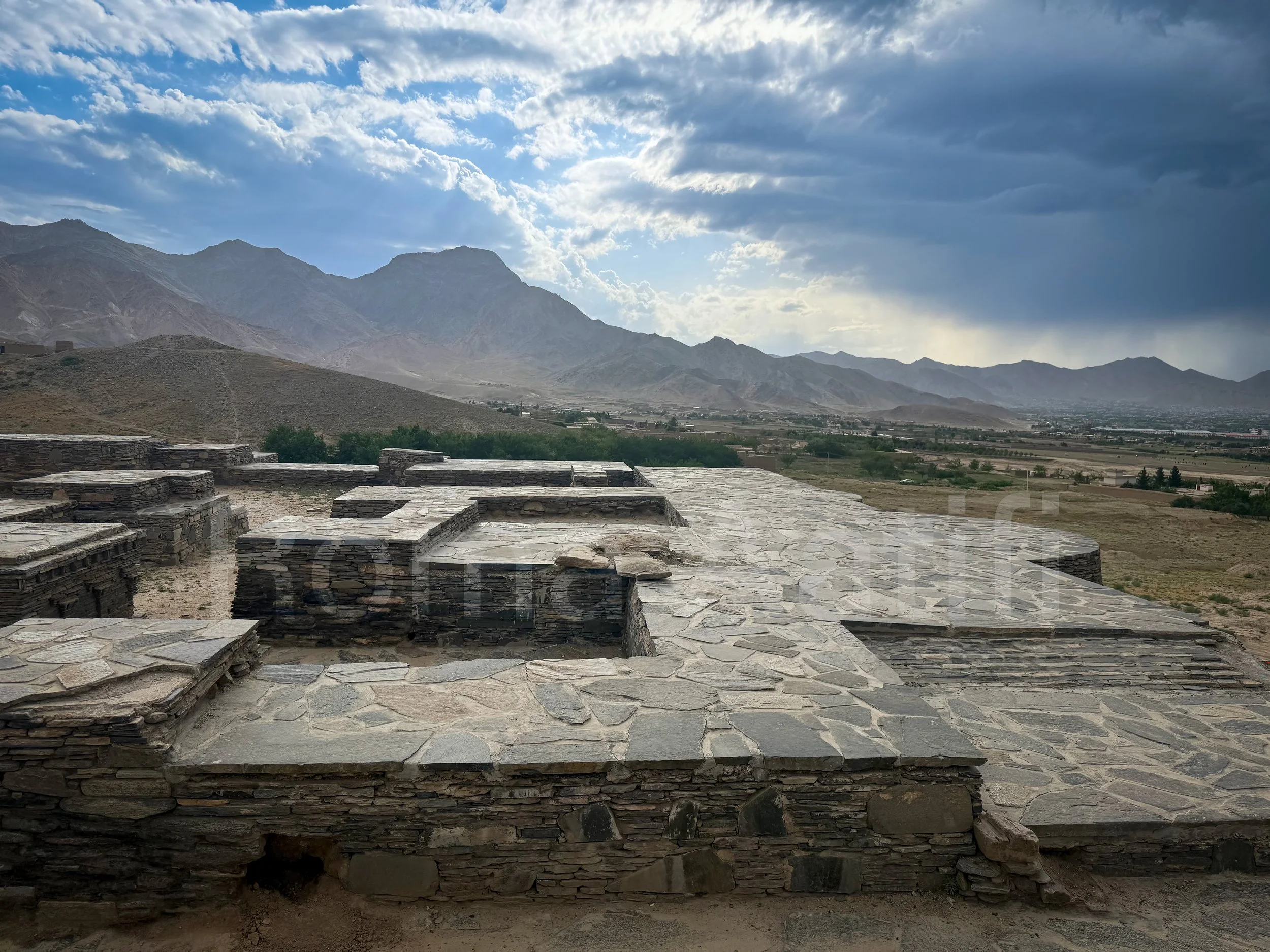
Shewaki Stupa, Kabul (photographed by Roma Aatifi, 2026)
This 2,000 year old Shewaki Stupa reminds us that Afghanistan has always been a land of movement, memory, and sacred land. Dating from the 3rd-5th centuries CE, it was a stop on a religious route that Buddhist pilgrims took from the Indian lowlands to Bamiyan in Afghanistan. Archaeology here is not only about the past. It’s about learning how much still remains…
The Story Behind This Website
Afghanistan is often introduced to the world through what has been destroyed, looted, or lost. This website begins with what remains.
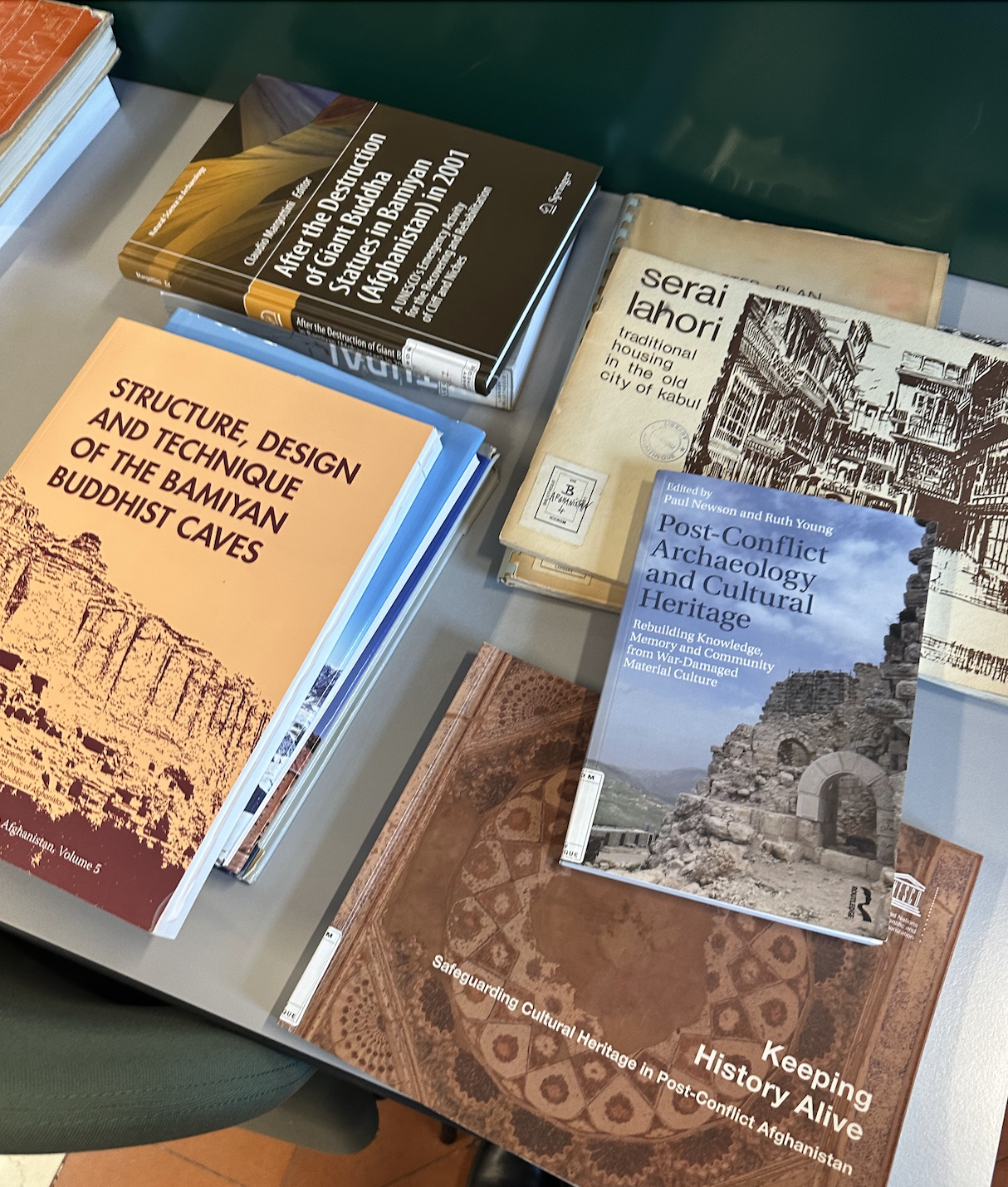
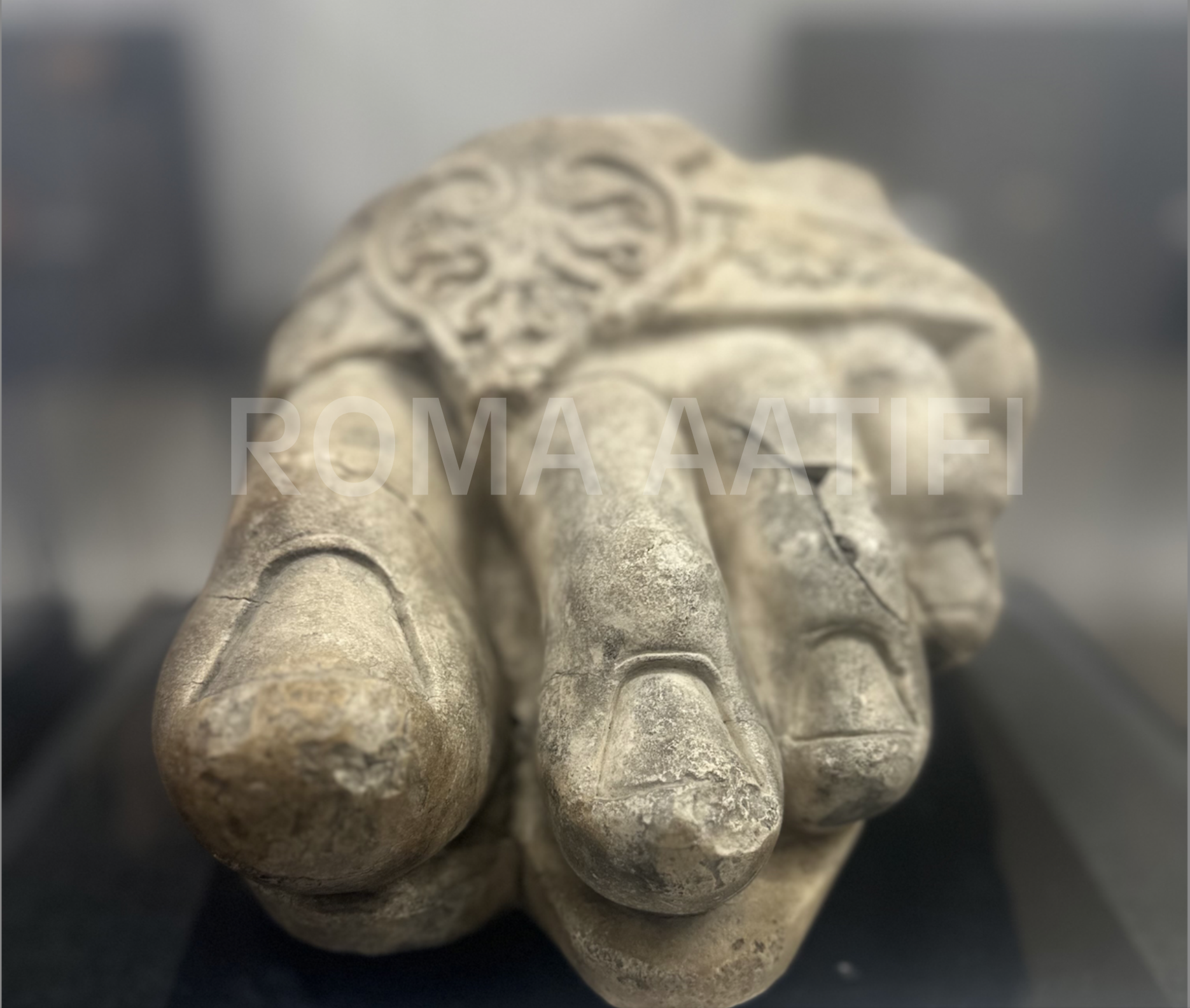
Through archaeological sites, museum objects, archives, fieldwork, and narrative preservation, I explore the many heritage interventions within Afghanistan.
I am interested not only in what survives from the past, but in who has the power to interpret it. Which histories are protected? Which are overlooked? And what changes when Afghanistan’s heritage is told by Afghans themselves?
Most importantly, this website approaches Afghanistan from within. Most of the creation on this website began during my fieldwork in Kabul in 2023. It does not claim to offer one final or complete version of Afghan heritage. Instead, it brings together my research, documentation, field experience, and personal reflection to make room for a more complex view of the country told by the West. One that recognises Afghanistan not simply as a place crossed by other civilizations, but as a place that created its own histories, identities, knowledge, and cultural traditions.
This is a space to see Afghanistan as more than a “crossroads” travelled by others.
Current Location